In the modern sporting era, a stadium is a high-tech entertainment hub designed to deliver an immersive, multi-sensory experience. While the athletes on the field are the main attraction, the real pulse of the arena often resides in its digital infrastructure. Stadium LED screens have transformed from simple scoreboards into sophisticated visual systems that drive fan engagement, ensure safety, and generate critical revenue for venue operators.
Gone are the days of static scorecards and low-resolution monochrome boards. Today’s fans expect high-definition replays, real-time statistics, and interactive social media feeds, all delivered with crystal-clear clarity, even under the midday sun. Stadium LED screens serve as the primary bridge between the live action and the audience, ensuring that whether a fan is in the front row or the highest tier, they never miss a moment of the game.
The application of LED technology in sports is diverse. It includes massive center-hung jumbotrons, perimeter ribbon displays that wrap around the tiers, and pitch-side perimeter banners that run advertisements throughout the match.
A stadium environment is one of the most demanding settings for any electronic device. To perform reliably, stadium LED screens must meet several high-level technical standards:
Ultra-High Refresh Rates: For sports that are televised, a high refresh rate is non-negotiable. This ensures that the screen appears flicker-free on camera, providing a smooth viewing experience for millions of fans watching from home.
Sunlight Readability: Outdoor stadiums require extreme brightness to remain visible against direct sunlight. High-contrast ratios are equally important to ensure that the colors remain vivid and the text remains legible.
Weather Resilience: Operating in rain, snow, or extreme heat requires an IP65 or higher protection rating. Robust sealing and heat dissipation systems are essential to prevent hardware failure during a championship game.
When it comes to meeting these rigorous professional standards, the sports LED display solutions from KMTEK stand out as an industry benchmark. Their systems are specifically engineered to handle the chaotic and high-stakes environment of international sporting events, offering the durability and visual fidelity required by world-class venues.
One unique aspect of stadium LED displays, particularly in football and basketball, is the perimeter screen. These screens are positioned at ground level, right where the athletes play. Because of this proximity, safety is a paramount concern.
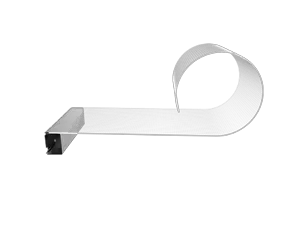
Modern perimeter displays are equipped with soft masks—flexible rubber louvers that cover the LED lamps. These masks serve a dual purpose: they protect the LEDs from being damaged by fast-moving balls, and more importantly, they protect the players from injury if they collide with the boards. Additionally, high-quality perimeter systems feature a soft protection cushion on the top of the cabinet to prevent impact injuries to athletes’ legs or heads.
For stadium owners, the investment in high-quality LED technology is a primary driver of Return on Investment (ROI). Traditional static signage is limited to a single advertiser for the duration of a season. Digital LED displays, however, allow for rotating advertisements, takeover moments where a single sponsor dominates the entire arena, and targeted messaging based on the game's progress.
This flexibility significantly increases the value of sponsorship packages. Brands are willing to pay a premium for high-impact visual real estate that can display motion graphics, live social media tags, and interactive content. Furthermore, the ability to change content at the click of a button reduces the labor costs associated with installing and removing physical vinyl banners.
Beyond advertising, stadium LED screens are the ultimate tool for fan-tainment. During halftime or breaks in play, screens can be used for Kiss Cams, trivia games, and live polls. By integrating the screen with the stadium’s app, fans can see their own photos or tweets displayed on the jumbotron, creating a sense of community and participation that keeps them coming back to the live venue rather than watching from their couch.
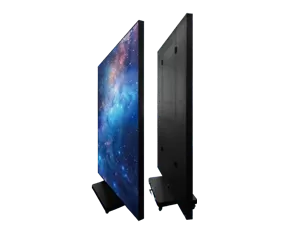
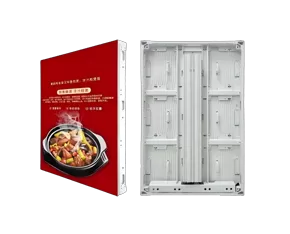
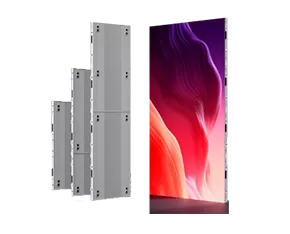
Choosing the right technology partner is the difference between a system that lasts a decade and one that fails after a single season. KMTEK has positioned itself as a leader in the sports sector by focusing on modular design and ease of maintenance. The sports LED screen is designed with both front and rear access, allowing technicians to swap out modules in minutes without disrupting the surrounding structure. This ease of service is critical during live events where every second counts. Whether it’s a massive scoreboard or a 200-meter perimeter run, KMTEK’s solutions provide the stability and high-end performance that modern sports franchises demand.
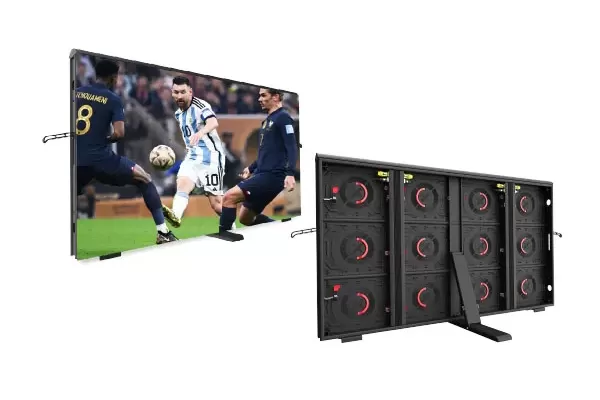
As we look toward the future, the integration of 5G, AR, and 8K resolution will only make stadium LED screens more integral to the sporting experience. Imagine pointing your phone at the LED screen and receiving an AR overlay of player stats, or seeing ultra-slow-motion replays in 8K clarity.
The stadium of the future is a digital canvas, and the LED screen is the paintbrush. By investing in high-quality, reliable, and safe display technology, such as the specialized offerings from KMTEK, venue operators can ensure they are providing a world-class experience that delights fans, protects athletes, and drives commercial success for years to come.

I’m Engineer Liang, a LED display specialist with 20 years of hands-on experience. My work spans panel assembly, system integration, and performance optimization across various product lines.
I’ve provided on-site after-sales support in over 30 countries, It solves problems such as pixel failure and signal instability in large installation projects ranging from commercial billboards to stadium screens.These trips honed my ability to adapt solutions to local environmental conditions.
Remotely, I have remotely assisted hundreds of customers with display calibration, software debugging and diagnostic, and operational guidance, including fine-tuning color uniformity on LED screens and resolving connectivity issues with control systems etc.
I focus on practical problem-solving, ensuring timely, effective support to minimize display failure, protect the interests of customers.Keeping pace with LED tech advancements, I aim to deliver reliable expertise to clients worldwide.