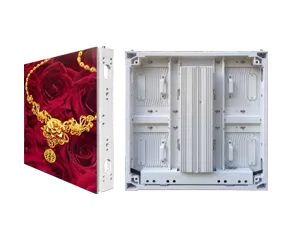
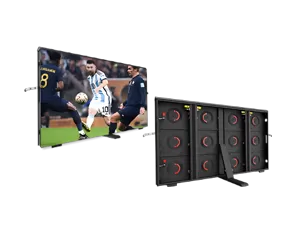
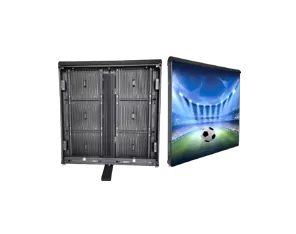
Sourcing an LED display board China supplier requires more than comparing quotations. Outdoor projects need the right combination of pixel pitch, brightness, refresh rate, cabinet structure, weather protection, and maintenance access. For importers, distributors, and project contractors, supplier evaluation should therefore focus on whether the proposed display can meet the actual installation requirements and whether the manufacturer can provide consistent technical and export documentation.
An LED display board is a complete display system consisting of LED modules, cabinets, power components, control electronics, and supporting structures.
The LED module is only one part of the finished product. Cabinet dimensions, power supplies, receiving cards, wiring, control systems, and maintenance access can all affect system performance.
This means buyers should compare complete configurations rather than asking only for pixel pitch and price. Two suppliers may offer the same pixel pitch while using different cabinet materials, brightness levels, power systems, or protection structures.
For China sourcing, the technical specification should form the basis of the quotation and supplier comparison.
Outdoor LED display specifications should be evaluated across image performance, electrical requirements, mechanical construction, and environmental protection.
| Item | What to Ask the Supplier | Why It Matters |
|---|---|---|
| Pixel pitch | P3.91, P4.81, P6.25, etc. | Viewing distance |
| Brightness | cd/m² | Daylight visibility |
| IP rating | IP65 or project-specific | Weather protection |
| Refresh rate | Hz | Camera compatibility |
| Cabinet material | Aluminum / steel | Weight and durability |
| Maintenance | Front / rear | Service access |
| Warranty | Written terms | Project risk |
KMTEK's listed outdoor specifications include P3.33–P10 pixel pitch, brightness up to 12,000 cd/m², refresh rates up to 7680 Hz, contrast up to 15,000:1, and IP65 protection. These are KMTEK's listed product specifications rather than universal requirements for every outdoor project.
Pixel pitch influences image detail and viewing distance, while brightness determines visibility under ambient light.
A smaller pixel pitch places more pixels within the same area and can support clearer images at shorter viewing distances. However, outdoor displays are often viewed from farther away, so the smallest available pitch is not automatically the right choice.
Brightness should also match the installation environment. A screen exposed to direct sunlight may require a different configuration from one installed in a shaded commercial area.
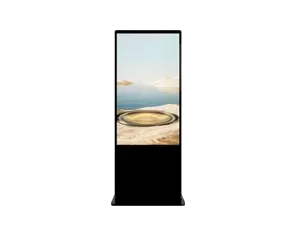
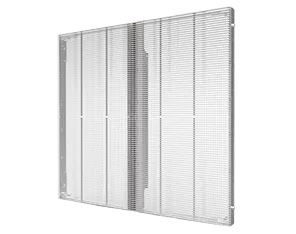
Different applications may therefore require different display technologies.
Outdoor LED display reliability depends on the combined performance of the module, cabinet, sealing structure, and installation environment.
Buyers should verify:
Protection: Check the stated IP rating and understand whether it applies to the complete cabinet or a specific component.
Cabinet construction: Confirm material, dimensions, weight, sealing, and structural design.
Environmental conditions: Consider rain, dust, temperature changes, wind, and long operating periods.
Maintenance access: Determine whether modules and components can be serviced from the front or rear.
Replacement method: Confirm how modules are removed, replaced, calibrated, and tested after maintenance.
An IP rating should not be treated as the only measure of outdoor durability. Cabinet construction and installation conditions are equally important.
China LED display manufacturers should be compared using equivalent technical specifications, production consistency, documentation, and project support rather than quotation price alone.
A lower quotation may reflect differences in LED packages, cabinet materials, power supplies, brightness, control systems, or protection. Buyers should therefore verify:
Technical specifications: Pixel pitch, brightness, refresh rate, contrast, viewing angle, and power consumption.
Production capability: Module matching, calibration, testing, and batch consistency.
Documentation: Technical specifications, drawings, certifications, warranty terms, and testing records.
Export experience: Packaging, shipping documentation, and experience with the target market.
After-sales support: Spare parts, troubleshooting, warranty coverage, and technical assistance.
This makes it easier to compare LED outdoor screen manufacturers on equivalent criteria instead of focusing only on the initial price.
An LED display board RFQ should define the project's visual, mechanical, electrical, environmental, and commercial requirements before suppliers prepare quotations.
At minimum, the RFQ should state the required screen dimensions, target pixel pitch or viewing distance, installation environment, expected brightness, cabinet configuration, maintenance access, power conditions, and intended application.
The target market should also be specified when relevant because export projects may involve different documentation, certification, packaging, or installation requirements.
For example, a buyer sourcing an outdoor display for a commercial district should provide the expected viewing distance and ambient-light conditions rather than simply requesting an “outdoor LED screen.” This gives the manufacturer enough information to recommend a suitable configuration and produce a more meaningful quotation.
KMTEK's listed outdoor range covers P3.33 to P10, with brightness up to 12,000 cd/m², refresh rates up to 7680 Hz, and IP65 protection. Buyers can use these specifications as a reference when preparing an RFQ, while final requirements should remain project-specific.
Choosing an LED display board China supplier requires more than comparing prices. Pixel pitch, brightness, refresh rate, contrast, IP protection, cabinet construction, maintenance access, power consumption, and documentation should be evaluated as one system. A detailed RFQ also gives manufacturers clearer project requirements and makes different quotations easier to compare. For export buyers, providing screen size, viewing distance, installation environment, target market, and application requirements from the beginning can reduce specification gaps and improve the accuracy of supplier recommendations.
Start with screen size, viewing distance, installation environment, application, and brightness requirements.
Not necessarily. Brightness should correspond to ambient-light conditions and the actual installation environment.
It indicates a defined level of protection against dust and water, but complete outdoor reliability also depends on cabinet construction and installation.
Cabinet material affects weight, structural durability, heat management, installation, and maintenance.
Include screen dimensions, pixel pitch, viewing distance, installation environment, brightness, cabinet requirements, maintenance access, power conditions, and target market.
Use the same technical requirements for each supplier and compare specifications, production capability, documentation, warranty, export support, and after-sales service alongside price.

I’m Engineer Liang, a LED display specialist with 20 years of hands-on experience. My work spans panel assembly, system integration, and performance optimization across various product lines.
I’ve provided on-site after-sales support in over 30 countries, It solves problems such as pixel failure and signal instability in large installation projects ranging from commercial billboards to stadium screens.These trips honed my ability to adapt solutions to local environmental conditions.
Remotely, I have remotely assisted hundreds of customers with display calibration, software debugging and diagnostic, and operational guidance, including fine-tuning color uniformity on LED screens and resolving connectivity issues with control systems etc.
I focus on practical problem-solving, ensuring timely, effective support to minimize display failure, protect the interests of customers.Keeping pace with LED tech advancements, I aim to deliver reliable expertise to clients worldwide.