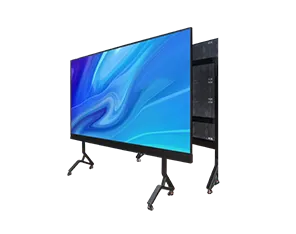
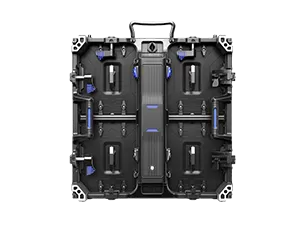
Not every visual installation fits a conventional rectangular display. Architectural features, branded environments, exhibition spaces, and creative venues may require screens that follow curves, form geometric patterns, or integrate into distinctive structures. A custom shape LED screen can help bring these concepts to life, but successful projects require careful coordination between design, engineering, content, and installation.
The most effective approach begins with the purpose of the display and the constraints of the site. This guide explains how to turn an initial concept into a practical project brief, compare design options, and prepare the information KMTEK needs to evaluate a customized LED display.
A custom shape LED screen is an LED display designed to depart from a standard rectangular layout. Depending on the product architecture and engineering requirements, it may use curved sections, circular arrangements, angled modules, or other configurations tailored to a particular installation.
The objective is not simply to create an unusual outline. The display must also present content effectively, fit the available structure, and remain accessible for installation and maintenance. A visually striking shape can become difficult to use if the content is poorly composed or the structure prevents practical servicing.
A custom shape LED screen project usually starts with a concept, reference image, drawing, or architectural plan. The supplier then evaluates which parts of the design are technically feasible and which details may require modification.
KMTEK's creative LED display solutions provide a starting point for exploring non-standard display concepts. The final design should be based on confirmed product capabilities and site requirements rather than a visual mock-up alone.
Begin by defining what the screen needs to achieve. Is it intended to follow a building's contours, reinforce a brand identity, display immersive content, or become a focal point in an exhibition? The answer influences the screen shape, viewing direction, content format, and installation method.
Next, document the physical space. Include the overall dimensions, mounting surface, available depth, audience positions, access routes, and any structural limitations. If the display will be installed around a column or within a curved feature, provide measurements that describe the actual geometry.
Content planning should happen alongside structural planning. A circular screen may work well for logos, abstract animation, or content designed for a radial layout, while a complex shape may require specially prepared media. Standard rectangular video can be cropped or distorted if the content canvas is not planned correctly.
Ask the supplier to review the concept before finalizing the design. Early feedback can identify impractical dimensions, awkward viewing angles, and maintenance issues while changes are still easier to make.
A creative display needs to satisfy both visual and engineering requirements. The exact considerations depend on its size, shape, installation location, and product design.
Module geometry: Confirm whether the proposed shape can be created using available modules and cabinet configurations.
Structural support: Determine the mounting method, load requirements, and responsibilities for verifying the supporting structure.
Viewing angles: Check how the shape affects audience positioning and content visibility.
Power and signal routing: Plan cable paths and access points so they do not conflict with the intended design.
Maintenance access: Ensure technicians can reach components that may require inspection or replacement.
For outdoor or unusual installations, environmental exposure and site-specific safety requirements may introduce additional constraints. These should be reviewed using applicable product documentation and local engineering requirements.
Not every curve or angle can be achieved with every LED module. Some shapes may require specialized components, a different cabinet arrangement, or adjustments to the original concept. Feasibility should be confirmed before the design is treated as final.
Different shapes create different design and installation considerations. The following table is a planning aid rather than a guarantee that every configuration is available in every product range.
Shape or configuration | Potential application | Main planning consideration |
|---|---|---|
Curved display | Architectural interiors and immersive spaces | Radius, viewing position, and structural fit |
Circular display | Brand features and exhibition installations | Content layout and module arrangement |
Angled or polygonal display | Retail environments and creative stages | Joint geometry, alignment, and sightlines |
Multi-section creative installation | Exhibition features and branded spaces | Signal routing, synchronization, and service access |
A custom shape LED screen should be assessed as a complete installation rather than a screen outline alone. Structural support, content mapping, maintenance access, and coordination between contractors all influence project feasibility.
For example, a curved installation may require precise measurements to achieve the intended radius, while a multi-section design may need careful signal routing and content synchronization. These requirements can affect production planning and installation time.
Before selecting a configuration, request drawings showing overall dimensions and how individual sections fit together. Confirm how the display will be controlled and how content will be mapped to the final shape.
A useful project inquiry should include the intended application, reference images, available dimensions, desired shape, installation location, viewing distances, and content requirements. Provide architectural drawings or a measured sketch whenever possible.
Also clarify whether the project is indoors or outdoors, whether the supporting structure already exists, and who is responsible for installation and structural verification. If the screen must fit into a building feature, identify the construction schedule and any site-access restrictions.
Ask the supplier to confirm the proposed module arrangement, installation method, control system, power requirements, maintenance approach, and expected production timeline. For complex designs, request a review of the content format and mapping process before final approval.
When evaluating a custom shape LED screen, buyers should also clarify which design changes may affect cost, lead time, or technical feasibility. A documented specification helps ensure that the approved concept, production drawings, and final installation remain aligned.
KMTEK can assess a customized display more effectively when the concept is supported by accurate measurements and clear functional requirements. Early technical discussions help determine which design details are achievable and where adjustments may be needed.
Not every shape is feasible with every module or cabinet system. The achievable design depends on product geometry, structural requirements, installation conditions, and engineering limitations.
Often, yes. Content may need to be mapped or composed for the screen's geometry to prevent important visual elements from being cropped or distorted.
The structure and display should be coordinated early. Confirm dimensions, loads, access, and installation responsibilities before finalizing the project.
Some solutions may be suitable for outdoor applications, but environmental ratings, structural design, and local safety requirements must be verified for the specific product and site.
Reference images, architectural drawings, measured sketches, screen dimensions, and content examples are useful. Precise information generally leads to a more meaningful feasibility assessment.
It may, but the content could require cropping, masking, or custom mapping. Confirm the content workflow and processor capabilities before finalizing the design.

I’m Engineer Liang, a LED display specialist with 20 years of hands-on experience. My work spans panel assembly, system integration, and performance optimization across various product lines.
I’ve provided on-site after-sales support in over 30 countries, It solves problems such as pixel failure and signal instability in large installation projects ranging from commercial billboards to stadium screens.These trips honed my ability to adapt solutions to local environmental conditions.
Remotely, I have remotely assisted hundreds of customers with display calibration, software debugging and diagnostic, and operational guidance, including fine-tuning color uniformity on LED screens and resolving connectivity issues with control systems etc.
I focus on practical problem-solving, ensuring timely, effective support to minimize display failure, protect the interests of customers.Keeping pace with LED tech advancements, I aim to deliver reliable expertise to clients worldwide.