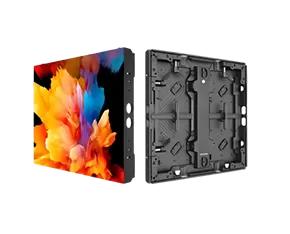
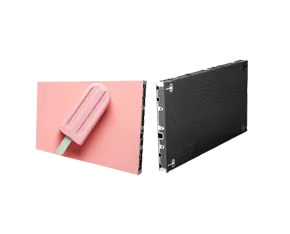
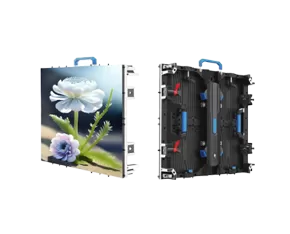
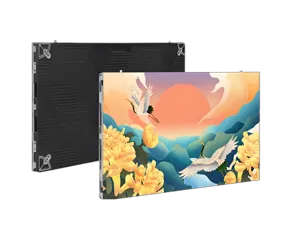
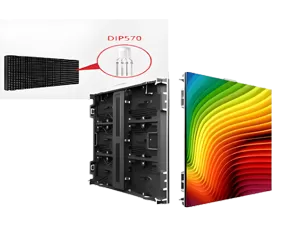
As display technology continues to evolve, image quality is no longer defined only by resolution or brightness. Color performance has become a critical factor in how viewers perceive realism, depth, and emotional impact. One of the most important developments in this area is Wide Color Gamut (WCG). From professional LED displays to consumer televisions and commercial signage, WCG is transforming how digital content is created, displayed, and experienced.
A color gamut refers to the range of colors that a display device can reproduce within the spectrum visible to the human eye. Think of it like a box of crayons — the larger the box, the more colors you have available. Traditional displays typically cover the sRGB color space, which is sufficient for basic content like web browsing and standard video. In contrast, wide color gamut displays are capable of reproducing colors well beyond the limits of sRGB, often extending into larger color spaces such as Adobe RGB and DCI-P3. These broader color ranges allow displays to produce more vivid, saturated, and lifelike images that more closely resemble real-world colors. [1]
Modern content often contains more saturated reds, deeper greens, and richer blues than sRGB can accurately represent. This gap between content creation and display capability led to the development and adoption of wider color gamuts, which allow screens to reproduce a much larger portion of the visible spectrum.
A wide color gamut display is one that can reproduce a significantly larger range of colors compared to standard displays. This means it can show richer hues, deeper saturation, and finer gradations between colors, resulting in visuals that appear more dynamic and true to life.
1. More Realistic and Vivid Visuals
Wide color gamut displays produce colors that feel more lifelike and immersive. Skin tones look more natural, landscapes appear richer, and brand colors maintain their intended visual impact. This is especially important in commercial LED displays, where color accuracy directly affects brand perception.
2. Improved Color Accuracy
WCG enables displays to more faithfully reproduce the colors intended by content creators. This is critical for applications such as broadcast studios, control rooms, exhibitions, and premium digital signage, where visual precision matters.
3. Enhanced Visual Depth and Detail
With more color information available, WCG reduces color banding and improves smooth transitions between shades. This results in images that appear deeper, cleaner, and more refined, particularly noticeable in gradients, shadows, and high-quality video content.
4. Stronger Impact When Combined with HDR
Wide color gamut works best when paired with High Dynamic Range (HDR). HDR improves contrast and brightness range, while WCG expands color volume. Together, they create images with brighter highlights, darker shadows, and richer colors—delivering a far more immersive viewing experience.
5. Future-Proof Display Performance
As content standards continue to evolve, more media is being mastered in wide color spaces. Investing in WCG displays ensures compatibility with modern and future content formats, protecting long-term display value.
KMTEKLED incorporates wide color gamut technology into its LED display solution, ensuring displays deliver high color fidelity and visual impact across professional and commercial applications from digital signage to immersive visual environments.
The key difference between wide and narrow gamut displays lies in how many colors each can reproduce. Narrow gamut displays are typically limited to standard ranges like sRGB, which covers a smaller portion of the visible color spectrum. Wide gamut displays, on the other hand, extend into larger color spaces, such as Adobe RGB or DCI-P3, offering a broader and more expressive color range. [2] Wide color gamut displays are especially beneficial when accurate color reproduction matters most, such as in photography, video production, digital signage, and high-quality LED installations where color fidelity influences audience perception.
| Feature | Wide Color Gamut | Narrow Color Gamut |
| Color Range | Larger | Smaller |
| Visual Richness | High – more saturated, lifelike colors | Moderate – basic color coverage |
| Best For | Professional content, HDR media | Everyday use, simple content |
| Color Accuracy | Strong | Sufficient but limited |
For LED video walls, advertising displays, and high-end indoor applications, the difference between wide and narrow gamut is immediately noticeable, especially on large screens viewed at close or medium distances.
KMTEKLED’s wide color gamut LED displays are engineered to maintain consistent color performance across different brightness levels and viewing angles, ensuring a premium visual experience in real-world environments. Wide color gamut technology is reshaping how we experience visuals, and with solutions from KMTEKLED, businesses and creative professionals can unlock more immersive, accurate, and future-ready display performance across applications.
Color gamut affects how closely the colors displayed match real life or the original content. A wider gamut means the display can reproduce more colors, making images look richer and more true to life.
Wide color gamut and HDR often go hand-in-hand: HDR increases contrast and brightness range, while WCG expands the spectrum of displayable colors. Together, they create more dynamic, vibrant visuals.
For basic tasks like web browsing or document editing, a standard gamut may suffice. However, for visual content creation, high-end media, or commercial displays where visual impact matters, WCG makes a noticeable difference.
Not all content is created with wide gamuts in mind — some older media may still be mastered for sRGB. But as newer content increasingly adopts broader color standards, wide gamut displays will be better at faithfully presenting that content.
Absolutely. LED displays are often used in large formats where color impact and brightness are critical. WCG ensures that colors remain vivid and accurate even at high brightness levels, which is essential for digital signage, events, and outdoor applications.
References:
[1] https://fiveable.me/advanced-cinematography/unit-8/wide-color-gamut-color-spaces/study-guide/HttfEJhoEF95KN14
[2] https://rehisk.com/blogs/blogs/wide-gamut-vs-narrow-gamut-understanding-color-ranges-in-digital-displays

I’m Engineer Liang, a LED display specialist with 20 years of hands-on experience. My work spans panel assembly, system integration, and performance optimization across various product lines.
I’ve provided on-site after-sales support in over 30 countries, It solves problems such as pixel failure and signal instability in large installation projects ranging from commercial billboards to stadium screens.These trips honed my ability to adapt solutions to local environmental conditions.
Remotely, I have remotely assisted hundreds of customers with display calibration, software debugging and diagnostic, and operational guidance, including fine-tuning color uniformity on LED screens and resolving connectivity issues with control systems etc.
I focus on practical problem-solving, ensuring timely, effective support to minimize display failure, protect the interests of customers.Keeping pace with LED tech advancements, I aim to deliver reliable expertise to clients worldwide.